Text size
Line height
Text spacing

15 Minutes
3 Materials
Available
Indonesia
15 Minutes
3 Materials
Available
Indonesia
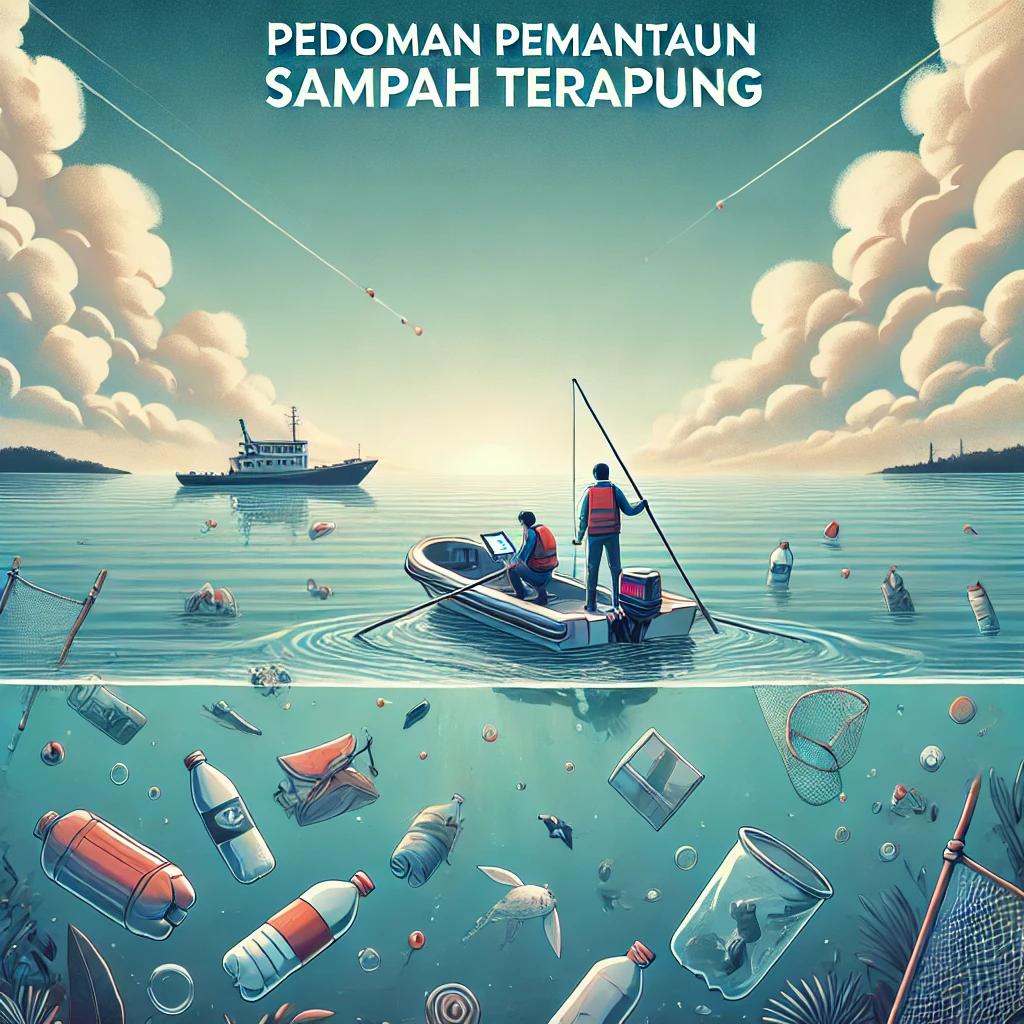
Floating debris is one of the most visible forms of marine pollution, yet it has a significant impact on aquatic ecosystems and marine life. This module is designed to provide a comprehensive understanding of the floating debris monitoring process, both from a technical and strategic perspective.
Participants will learn in detail about:
This module also covers the scientific and policy context behind the development of floating debris monitoring as a basis for mitigating impacts on marine life, such as sea turtles, fish, and marine mammals.
Presented through learning videos, infographics, and field case studies, participants will gain the technical and analytical skills needed to contribute to effective floating debris management.
📌 This module is an advanced part of the basic "Marine Debris Monitoring Guidelines" course and can be taken alongside other modules such as coastal and seabed waste monitoring to gain a comprehensive understanding of the national monitoring system.
🎯 After completing this course, participants are expected to understand the importance of floating debris monitoring and be skilled in applying it in the field.